Creating a home office that feels both cozy and productive can make a big difference in your workday. Whether you work from home full-time or just need a dedicated space for occasional tasks, the right setup helps you stay focused and comfortable. In this post, we’ll explore practical tips to help you design a home office that meets your needs and feels welcoming.
1. Choose the Right Location
Selecting the best spot for your home office is the first step. Ideally, this should be a quiet area with enough natural light. A room with a door helps minimize distractions, but if that’s not possible, consider using room dividers or noise-cancelling headphones.
Consider natural light and views
Natural light can boost your mood and energy levels. Position your desk near a window to take advantage of daylight. If natural light is limited, invest in good quality artificial lighting to reduce eye strain.
Minimize distractions
Try to find a space away from high-traffic areas in your home. If children or pets are around, consider setting expectations about your work hours and boundaries.
2. Invest in Functional and Comfortable Furniture
Your furniture plays a big role in both comfort and productivity. An ergonomic chair supports good posture, reducing the risk of back pain during long working hours. A spacious desk that fits your equipment and allows you to organize your things keeps your workspace efficient.
Ergonomic chair
Look for a chair with adjustable height, lumbar support, and comfortable padding. Even a modest investment can improve how you feel throughout the day.
Desk options
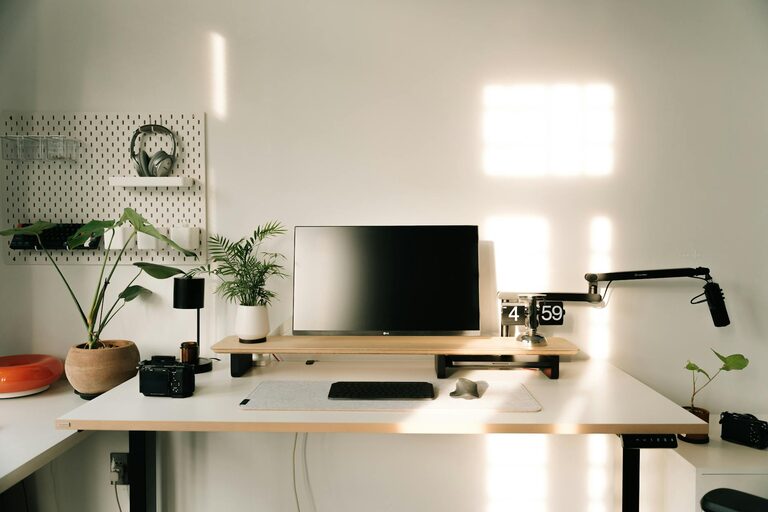
Choose a desk that works for your work style. For some, a traditional desk with drawers works best. Others prefer a standing desk or a convertible sit-stand option to change positions during the day.
3. Organize Your Workspace Effectively
A clutter-free workspace helps clear your mind and improves focus. Implementing simple organization systems prevents piles of papers and random items from taking over your desk.
Use storage solutions
Shelves, filing cabinets, or storage boxes keep important materials handy but out of the way. Cable management clips or sleeves reduce tangled wires.
Keep essentials within reach
Arrange frequently used items—like pens, notebooks, or chargers—near your desk so that you don’t waste time searching for them.
4. Personalize Your Space
Adding personal touches makes your office more inviting and comfortable. Surround yourself with items that inspire and motivate you.
Decorative accents
Consider adding plants, artwork, or photos that bring you joy. Fresh greenery not only adds color but also improves air quality.
Color schemes
Choose calming or energizing colors depending on your preferences. Soft blues and greens promote relaxation, while brighter colors like yellows may boost creativity.
5. Optimize Lighting for Comfort and Productivity
Lighting can influence how well you focus and how comfortable your eyes feel.
Use layered lighting
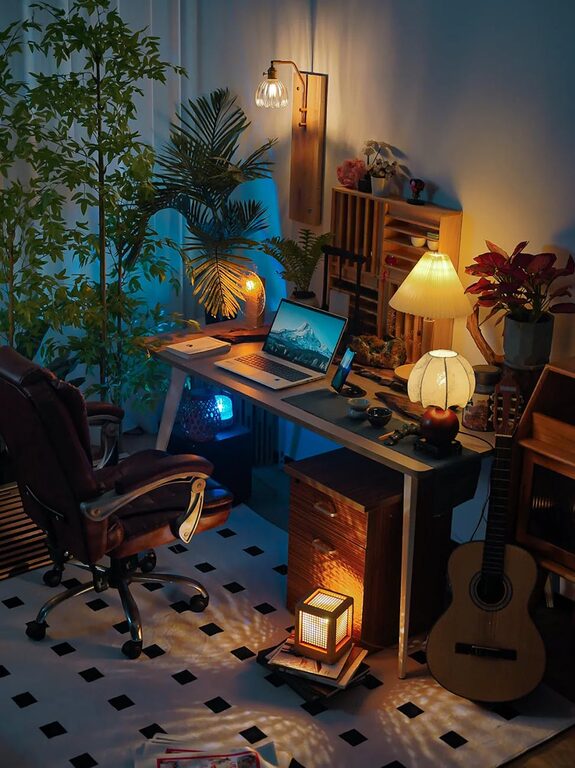
Combine ambient lighting (like ceiling fixtures) with task lighting (such as desk lamps) to illuminate your space adequately. Adjust brightness levels to suit different tasks.
Reduce glare
Position your screen to avoid reflections from windows or lights. Anti-glare screen protectors can help if needed.
6. Incorporate Technology Thoughtfully
Technology is essential for most home offices but can be overwhelming if not well managed.
Choose reliable equipment
Invest in devices that meet your work demands—whether a fast computer, quality headset, or additional monitors—to enhance efficiency.
Keep tech organized
Use charging stations and cord organizers to reduce mess. Regularly update software to maintain smooth operation.
7. Create Boundaries Between Work and Home Life
Working from home can blur the lines between professional and personal time. Defining clear boundaries can help maintain a healthy work-life balance.
Set working hours
Designate specific times for work and breaks. Communicate these to household members.
End your day with a ritual
Close your laptop, tidy your desk, or take a short walk to signal the end of work time. This helps your mind shift away from work tasks.
Final Thoughts
Designing a cozy and productive home office doesn’t have to be complicated or expensive. Focus on creating a dedicated, organized space that supports your work style and makes you feel comfortable. With thoughtful furniture choices, organization, and a few personal touches, your home office can become a place where you enjoy spending your work hours and achieve your best results.
About the Author